How to Become an Aesthetic Nurse 2026
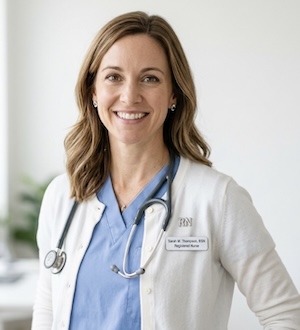
Aesthetic nurses are registered nurses who specialize in non-surgical cosmetic procedures, including Botox, dermal fillers, chemical peels, laser treatments, and micro-needling. The path starts with an RN license and builds through clinical experience and specialized aesthetic training. Nurse practitioners can take on added responsibilities, including writing treatment orders, depending on state scope-of-practice rules.
Sponsored School(s)


Aesthetic nursing sits at the intersection of clinical nursing and cosmetic medicine. The procedures, from injectable treatments to laser work and skin resurfacing, require a solid clinical foundation before any aesthetic training makes sense. That’s why the path always starts with an RN license.
Use the links below to jump to the steps, certification requirements, and work-setting guidance for aesthetic nurses.
- What aesthetic nurses do
- How to become an aesthetic nurse
- Certification options
- Work settings and scope of practice
- Frequently asked questions
What Aesthetic Nurses Do
Aesthetic nurses perform or assist with non-surgical cosmetic treatments. Common procedures include neurotoxin injections such as Botox, dermal fillers, chemical peels, microneedling, laser skin resurfacing, laser hair removal, and tattoo removal. Some work in perioperative settings alongside plastic surgeons, taking on pre-op, post-op, scrub, and circulator duties.
The field draws nurses for different reasons. The work is generally scheduled, which means fewer nights and weekends than hospital nursing. Some nurses prefer treating patients who have chosen elective procedures over high-acuity emergency care. Others build independent practices over time.
RNs in aesthetics typically work under the direction of a physician or advanced practice provider, following treatment orders rather than writing them. Nurse practitioners can issue their own orders in many states, depending on their scope-of-practice authorization and any applicable collaborative agreement requirements. The scope of practice for LPNs and LVNs in aesthetics is more limited and varies by state.
How to Become an Aesthetic Nurse
1. Earn Your RN License
Aesthetic nursing begins with a standard RN license. Candidates complete either an Associate Degree in Nursing (ADN), which takes two to three years at a community college or nursing school, or a Bachelor of Science in Nursing (BSN), which takes four years. After graduation, candidates sit for the NCLEX-RN, the national licensing exam administered by the National Council of State Boards of Nursing (NCSBN). The state board reviews applications and issues the license.
2. Build Clinical Experience
Most aesthetic training programs and employers expect applicants to have real clinical experience before enrollment. Working as a bedside RN in med-surg, ICU, emergency, or outpatient settings builds the assessment, pharmacology, and patient management skills required for aesthetic procedures. Eligibility for the Certified Aesthetic Nurse Specialist (CANS) credential, the main professional certification in this specialty, requires at least 2 years of nursing experience and a minimum of 1,000 hours of aesthetic or plastic surgical nursing practice in the preceding 2 years.
3. Complete Specialized Aesthetic Training
Standard nursing programs don’t cover injectable techniques, facial anatomy at a clinical level, or aesthetic pharmacology. Nurses transitioning into aesthetics need to add this training after licensure. Examples of private aesthetic training providers include:
- National Laser Institute
- Empire Medical Training
- American Academy of Procedural Medicine
- The Aesthetic Academy
- American Academy of Facial Esthetics (AAFE)
Courses range from focused workshops on a single procedure to multi-week programs covering the full scope of aesthetic practice. Many nurses find it useful to shadow an established aesthetic nurse before committing to a training program. Breaking into the field without existing connections takes effort, and some shadowing arrangements involve a fee.
Aesthetic Nurse Certifications
Certified Aesthetic Nurse Specialist (CANS)
The Plastic Surgical Nursing Certification Board (PSNCB) issues the Certified Aesthetic Nurse Specialist credential. CANS is RN-level and has specific eligibility requirements: at least 2 years of nursing experience; a minimum of 1,000 hours of aesthetic or plastic surgical nursing practice in the prior 2 years; and active practice under a physician who is board-certified in plastic or aesthetic surgery, facial plastic surgery, dermatology, or ophthalmology. Certification can be renewed through continuing education or re-examination.
Certified Plastic Surgical Nurse (CPSN)
The PSNCB also issues the Certified Plastic Surgical Nurse credential, which covers the broader scope of plastic and reconstructive surgical nursing. Nurses who work in perioperative roles alongside plastic surgeons sometimes pursue both the CANS and CPSN, depending on their practice focus.
Dermatology Credentials
Aesthetic nursing overlaps significantly with dermatology nursing. Registered nurses who work primarily in dermatology settings can pursue certification through the Dermatology Nursing Certification Board (DNCB). Nurse practitioners specializing in dermatology have a separate credential path through the Dermatology Nurse Practitioner Certification Board (DNPCB). For nurses whose work centers on skin conditions rather than elective cosmetic procedures, these credentials may be more directly relevant than CANS.
Work Settings and Scope of Practice
Aesthetic nurses work in private medical practices, plastic surgery offices, dermatology clinics, med spas, ophthalmology offices, and laser clinics. Ophthalmologists treat the periorbital area, the skin and tissue surrounding the eye, so they hire aesthetic nurses more often than the specialty might suggest.
Med spas are a common entry point. Before accepting a position, nurses should confirm that the employer operates as a legitimate medical facility with adequate physician oversight. Without an advanced practice credential, an RN in aesthetics is not an independent practitioner. Supervision requirements apply even in states with permissive scope-of-practice rules.
Some experienced aesthetic nurses run their own practices. This is feasible in states that explicitly allow it under appropriate medical direction. The North Carolina Board of Nursing has published a decision tree that nurses frequently use to evaluate whether cosmetic nursing activities may be performed independently under North Carolina law. Any nurse pursuing this path needs to take a state-specific approach, since there’s no uniform national rule on autonomous aesthetic nursing practice.
The International Society of Plastic and Aesthetic Nurses (ISPAN) has published decision trees and position statements on laser and light energy therapy and injectable procedures to help nurses assess whether a specific treatment falls within their scope of practice. State boards remain the authoritative source on what’s actually permitted.
Find nursing licensure requirements by state for RNs, LPNs, LVNs, and advanced practice nurses.
Frequently Asked Questions
Can an LPN become an aesthetic nurse?
LPNs can work in aesthetic settings but typically have a more limited scope of practice than RNs. The specific procedures an LPN can legally perform vary by state. Some states allow LPNs to assist with certain treatments under supervision, while others restrict aesthetic procedures to RNs and above. LPNs who want to expand their options may consider LPN-to-RN bridge programs before pursuing aesthetic training. Check with your state board of nursing for current scope-of-practice guidance.
Do you need a BSN to work in aesthetic nursing?
No. Aesthetic employers generally hire RNs regardless of whether they hold an ADN or a BSN. The credential that matters most at entry is the RN license. A BSN may open additional doors in leadership roles or in practices affiliated with hospital health systems, but it’s not a standard prerequisite for aesthetic nursing positions.
What is the CANS certification?
The Plastic Surgical Nursing Certification Board issues the Certified Aesthetic Nurse Specialist (CANS). It requires at least 2 years of nursing experience and at least 1,000 hours of aesthetic or plastic surgical practice within the prior 2 years. Candidates must also be working under the supervision of a board-certified physician in a qualifying specialty. The certification is voluntary but may be preferred or required by some employers.
Can nurse practitioners practice aesthetic nursing independently?
In some states, yes. The level of practice authority available to nurse practitioners in aesthetic settings depends on state-specific scope-of-practice rules, which range from full practice authority to reduced or restricted practice models. ISPAN publishes guidance on the scope of practice in aesthetic nursing, but the authoritative source is always the state board of nursing.
How long does it take to become an aesthetic nurse?
The RN license alone takes two to four years, depending on the degree path. After licensure, most nurses spend at least two years building clinical experience before they’re eligible for CANS certification and competitive for aesthetic nursing positions. From starting an ADN program to CANS eligibility, expect a minimum of four to five years total.
Key Takeaways
- RN licensure is required first — Aesthetic nursing begins with a standard RN license through an ADN or BSN program and the NCLEX-RN. No aesthetic training course substitutes for this step.
- Clinical experience comes before aesthetic training — CANS certification requires at least 1,000 hours of aesthetic or plastic surgery practice, and most employers expect prior nursing experience before hiring for an aesthetic role.
- Specialized training is separate from nursing school — Standard programs don’t cover aesthetic techniques. Training through organizations like the National Laser Institute or AAFE fills that gap after licensure.
- State scope-of-practice rules govern what you can do — What an RN can do independently in aesthetics depends on the state. Check with your state board before starting a practice or taking on unsupervised procedures.
- ISPAN and the PSNCB are the main professional bodies — The International Society of Plastic and Aesthetic Nurses and the Plastic Surgical Nursing Certification Board set the professional and credentialing standards in this specialty.
Find nursing programs in your state, including programs that lead to RN licensure and the clinical experience aesthetic nursing requires.