Nurse Practitioner Programs in Kansas 2026
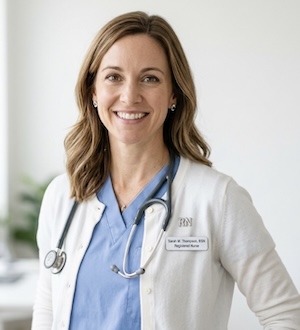
Becoming a nurse practitioner in Kansas requires completing a Board-approved, CCNE-accredited graduate program and earning national NP certification. Most programs award a DNP. Students starting on or after March 1, 2025 must complete at least 750 supervised clinical hours. Kansas adopted full practice authority in 2022, though new APRN graduates must complete a 4,000-hour transition period before practicing independently.
Sponsored School(s)


Nurse practitioners in Kansas are licensed by the Kansas State Board of Nursing as Advanced Practice Registered Nurses (APRNs). The Board maintains a list of approved NP programs and sets minimum standards for curriculum, clinical training, and degree level. All Board-approved programs in Kansas hold accreditation from the Commission on Collegiate Nursing Education (CCNE). Most award a Doctor of Nursing Practice (DNP), though master’s-level preparation remains an accepted pathway to licensure.
Use the links below to jump to program requirements, school options, scope of practice, and salary data.
- Education and program requirements
- Kansas NP programs and specialty tracks
- Scope of practice and prescribing authority
- Salary and job outlook in Kansas
Education Requirements for Kansas Nurse Practitioners
The Kansas State Board of Nursing requires NP programs to be Board-approved. Prospective students should confirm that any program they consider appears on the Board’s approved program list before enrolling. The list identifies every qualifying option in the state and is the authoritative source for determining eligibility. For licensing requirements that apply after graduation, see Kansas APRN licensing requirements.
Kansas sets a minimum program length of 45 semester hours, though most approved programs run considerably longer. DNP programs typically span 70 to 80-plus semester hours and include doctoral-level coursework in research, leadership, and advanced clinical practice. The DNP has become the standard at Kansas institutions, though the state doesn’t mandate it for licensure.
Core Curriculum and Clinical Hour Requirements
Kansas requires coursework in three foundational areas: advanced health assessment, pathophysiology, and pharmacology. These align with CCNE accreditation standards, which all Board-approved Kansas programs meet.
Clinical hour requirements changed effective March 1, 2025. Students who started a program before that date must complete at least 500 supervised clinical hours per clinical track. Students who start on or after March 1, 2025, must complete at least 750 hours. The Kansas Board of Nursing amended K.A.R. 60-17-105 on February 7, 2025, to implement this change.
Clinical hours are completed in supervised settings matched to the student’s population focus. A family NP student works primarily in primary care. A psychiatric-mental health NP student completes hours in behavioral health and psychiatry. Many DNP programs already require well above the state minimum, with some exceeding 1,000 clinical hours before graduation.
Kansas NP Programs
The Kansas Board of Nursing approves six NP programs, all CCNE-accredited. Formats range from traditional campus-based instruction to fully online and hybrid arrangements, giving working RNs flexibility in how they complete their graduate education.
University of Kansas School of Nursing
The University of Kansas Medical Center offers post-BSN DNP programs with specialty tracks in family health, adult-gerontology, and psychiatric-mental health. The program includes a hybrid format combining online coursework with on-campus clinical workshops at the KU Medical Center. KU holds the National League for Nursing’s Center of Excellence designation through 2027.
Wichita State University
WSU offers multiple DNP pathways, including the state’s only adult-gerontology acute care nurse practitioner (AGACNP) program. This specialty prepares practitioners to manage complex, critically ill patients in acute and specialty settings. WSU graduates work in intensive care units, specialty clinics including cardiology and oncology, and hospital-based acute care environments.
Additional Board-Approved Programs
Fort Hays State University, Pittsburg State University, Washburn University, and the University of St. Mary round out the Board-approved list. Washburn offers a BSN-to-DNP program with FNP and PMHNP concentrations. Fort Hays and Pittsburg State both offer DNP programs focused on family health. The University of St. Mary in Leavenworth offers MSN-level FNP and PMHNP programs with CCNE accreditation and KSBN approval, with clinical experiences completed locally. All four hold CCNE accreditation.
Online and Hybrid Options
Several Kansas programs have moved to online or hybrid delivery. Online coursework is paired with required clinical practicums completed near where the student lives, which works well for RNs who need to keep working while finishing their graduate degree. Students should confirm clinical placement expectations with any program before enrolling, since local preceptor availability varies by specialty and region.
Scope of Practice for Kansas Nurse Practitioners
Kansas nurse practitioners hold full practice authority under state law. Governor Laura Kelly signed HB 2279 on April 15, 2022, and the law took effect July 1, 2022, making Kansas the 26th state to grant NPs full practice authority. Collaborative practice agreements and written prescribing protocols are no longer required under Kansas law.
Full Practice Authority and Transition Requirements
With full practice authority, Kansas NPs can assess and diagnose patients, develop and manage care plans, prescribe medications including controlled substances, and order durable medical equipment without a physician agreement. The one exception applies to new APRN graduates: Kansas requires a 4,000-hour transition-to-practice period during which a new graduate must work under a collaborative agreement with either a physician or an APRN who already holds full practice authority. Once the 4,000 hours are complete, the collaborative agreement requirement ends.
The 2022 law also added requirements that apply to all APRNs. Kansas now requires national certification in the NP’s specific role and population focus as a condition of licensure. Malpractice insurance coverage is also required. These requirements are enforced by the Kansas State Board of Nursing.
Rural and Underserved Settings
Rural practice is a significant part of the Kansas NP workforce. The state has a recognized shortage of primary care providers in rural areas, and nurse practitioners fill gaps that would otherwise leave communities without access to care. Rural health clinics in Kansas are required to have a physician or independently licensed provider, which includes NPs, on-site at least half the time.
The Kansas Department of Health and Environment maintains information about loan forgiveness and repayment programs available to APRNs who commit to serving in shortage areas. These programs can offset a meaningful portion of graduate education costs for NPs willing to practice in underserved communities. Contact the Kansas Board of Nursing directly for current program details and eligibility requirements.
Kansas NP Salary and Job Outlook
Kansas nurse practitioners earned a median annual wage of $127,940, according to Bureau of Labor Statistics data from May 2025. That figure reflects statewide conditions across all employment settings. NPs in Topeka and Wichita, the state’s two largest job markets for advanced practice nursing, tend to cluster at the upper end of the state range.
| Area | Median Annual Wage |
|---|---|
| Kansas (statewide) | $127,940 |
| Topeka, KS | $133,600 |
| Wichita, KS | $127,190 |
| Lawrence, KS | $126,700 |
| Manhattan, KS | $118,700 |
Job growth projections for Kansas nurse practitioners are strong. According to Projections Central data, NP employment in Kansas is projected to grow 42.9 percent between 2022 and 2032, with an average of 310 job openings per year. That rate is well above average for all occupations and reflects sustained demand driven by primary care shortages and rural health needs across the state.
Frequently Asked Questions
How long does it take to become a nurse practitioner in Kansas?
Most Kansas NP students complete a graduate program in two to three years after earning an RN license and a BSN. DNP programs typically require three years of full-time study, though part-time and online options can extend that timeline. An active RN license is required before beginning an NP program. See Kansas RN license requirements if you haven’t yet completed that step.
Does Kansas require a DNP to practice as a nurse practitioner?
No. Kansas does not mandate a DNP for NP licensure. Master’s-level preparation is still an accepted qualifying pathway. However, most Board-approved programs in Kansas now award DNPs rather than MSNs, reflecting broader trends in NP education. Students should confirm degree requirements with the specific program before applying.
Can Kansas nurse practitioners practice independently?
Yes. Kansas adopted full practice authority in 2022 (HB 2279, effective July 1, 2022). Collaborative practice agreements and written prescribing protocols are no longer required under state law. New APRN graduates must complete a 4,000-hour transition-to-practice period under a collaborative agreement before practicing fully independently, but ongoing physician oversight isn’t required once that period is complete.
What specialties can nurse practitioners pursue in Kansas?
Board-approved Kansas programs offer preparation in family health, psychiatric-mental health, and adult-gerontology acute care. NPs may also pursue post-graduate certificates to expand their clinical competencies after completing a qualifying program. The Kansas State Board of Nursing recognizes four APRN roles: nurse practitioner, certified nurse midwife, clinical nurse specialist, and certified registered nurse anesthetist.
Are all Kansas NP programs accredited by CCNE?
All programs on the Kansas Board of Nursing’s approved list hold CCNE accreditation. CCNE is the leading accrediting body for graduate-level nursing programs nationally. Students should confirm that any program they consider is both Board-approved and CCNE-accredited before enrolling, since accreditation status can change.
Key Takeaways
- Six Board-approved programs — The Kansas State Board of Nursing maintains the official approved program list. All six current NP programs hold CCNE accreditation.
- DNP is the norm, not the mandate — Kansas doesn’t require a DNP for NP licensure, but most approved programs award one. The minimum program length is 45 semester hours. Clinical hour minimums changed in 2025: students who started before March 1, 2025, need 500 hours, and students starting on or after that date need 750 hours.
- Full practice authority since 2022 — Kansas eliminated the collaborative practice agreement requirement on July 1, 2022. New APRN graduates complete a 4,000-hour transition period, after which independent practice is fully authorized. National certification and malpractice insurance are now required for licensure.
- Strong job growth projected — Kansas projects 42.9 percent NP employment growth from 2022 to 2032, with 310 average annual openings, driven by primary care and rural health demand.
- Median wage of $127,940 — BLS May 2025 data shows Kansas NPs earn a statewide median of $127,940. Topeka reports the highest local median in the state at $133,600.
Select your state below to compare NP program requirements, approved school lists, and licensing pathways for your jurisdiction.
2025 US Bureau of Labor Statistics salary data and Projections Central 2022-2032 job growth forecasts for Licensed Practical & Vocational Nurses, Registered Nurses, and Advanced Practice Nurses across roles, reflect state and national data, not school-specific information. Conditions in your area may vary. Data accessed June 2026.